
In today’s digital world, having a website is one of the most important steps for building an online presence. Whether you run a business, want to showcase your portfolio, or start a blog, a professional website helps people discover you online.
Many beginners think building a website is difficult, but that is no longer true. Modern technologies, development frameworks, and hosting services have made it much easier to create a website from Scratch even if you are just starting your journey.
In 2026, websites are faster, more interactive, and more user-focused than ever before. With the right approach, you can build a website that looks professional, loads quickly, and attracts visitors.
This guide will walk you through the entire process step by step so you can confidently create a website from Scratch and launch it successfully.
Why Every Business Needs a Website in 2026
The internet has become the first place where people search for products, services, and information. If your business does not have a website, you may be missing a huge number of potential customers.
A website helps you:
Build credibility and trust
Showcase your products or services
Reach customers from different locations
Share useful information through blogs
Generate leads and sales
When you create a website from Scratch, you have full control over its design, features, and content. This allows you to build a strong digital identity that represents your brand perfectly.
Step 1: Plan Your Website Idea and Goals
Before starting the development process, you should clearly understand the purpose of your website.
Planning is an essential step when you want to create a website from Scratch because it helps you define your goals and organize your content.
Ask yourself some important questions:
What is the main purpose of the website?
Who is the target audience?
What problem will your website solve?
What action do you want visitors to take?
For example, if your goal is to generate business leads, your website should focus on services, testimonials, and contact options. If you want to start a blog, your focus will be on content and information.
A clear plan makes the development process smoother and more effective.
Step 2: Choose a Domain Name
Your domain name is the address of your website on the internet. It is what users type into the browser to visit your site.
A good domain name should be:
Short and easy to remember
Simple to spell
Relevant to your business or topic
Professional and brand-friendly
For example, if you run a digital marketing service, your domain name could reflect your niche or location.
When you create a website from Scratch, choosing the right domain name is important because it becomes part of your brand identity.
Step 3: Select the Right Web Hosting
Web hosting is where your website files are stored. When someone visits your site, the hosting server delivers your website content to their browser.
There are several types of hosting services available.
Shared Hosting
This is a good option for beginners and small websites.
VPS Hosting
It offers better performance and more control over the server.
Cloud Hosting
Cloud hosting provides scalability and high reliability.
Dedicated Hosting
This option is used by large websites that receive heavy traffic.
Choosing a reliable hosting provider ensures that your website loads quickly and remains available to visitors.
Step 4: Plan the Website Structure
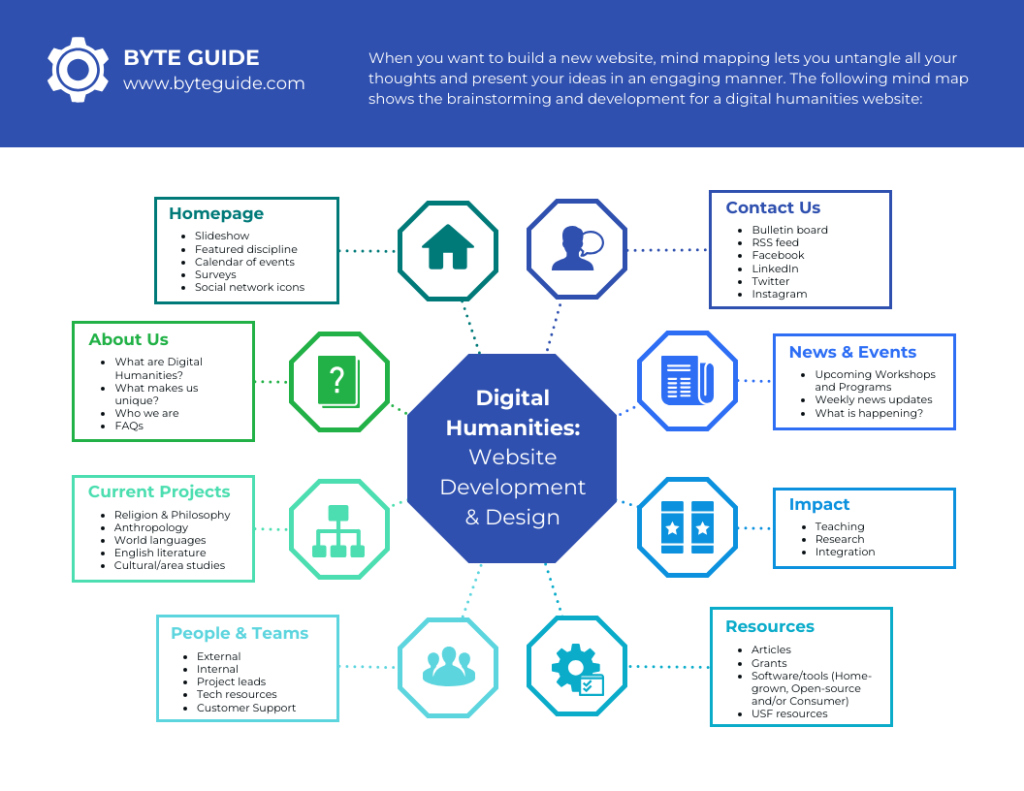
When you create a website from Scratch, organizing the structure of your pages is very important.
A well-structured website helps visitors find information easily and improves user experience.
Most websites include some essential pages such as:
Home Page
About Us
Services Page
Blog Page
Contact Page
For an online store, you may also need:
Shop Page
Product Categories
Cart Page
Checkout Page
Planning the structure before building the website makes the development process more organized.
Step 5: Design a Modern and User-Friendly Layout
Website design plays a huge role in how visitors interact with your site.
When users land on your website, they form an impression within seconds. A clean and professional design encourages them to explore further.
A good website design should include:
Clear navigation menus
Readable typography
Balanced colors and spacing
Mobile-friendly layouts
Fast loading speed
In 2026, websites focus heavily on user experience. When you create a website from Scratch, always design with the visitor in mind.
Step 6: Choose the Right Technologies
To build a website from scratch, you need some basic web development technologies.
Frontend Technologies
These technologies control how your website looks and behaves.
HTML – Creates the structure of the website
CSS – Handles design and layout
JavaScript – Adds interactivity
Developers often use frameworks like Bootstrap or React to build modern websites faster.
Backend Technologies
Backend technologies manage data and server operations.
Some common options include:
Node.js
PHP
Python
Databases
Databases store important data such as user accounts, blog posts, and product information.
Popular databases include:
MySQL
MongoDB
Using the right technologies helps you efficiently create a website from Scratch with better performance and flexibility.
Step 7: Add Powerful Content to Your Website
Content is one of the most important elements of a successful website.
When visitors come to your site, they want useful information that helps them understand your services or products.
Some important types of website content include:
Service descriptions
Product information
Blog articles
Customer testimonials
Frequently asked questions
Good content builds trust and keeps visitors engaged. When you create a website from Scratch, make sure the content is clear, helpful, and easy to read.
Step 8: Optimize Your Website for SEO
Search Engine Optimization (SEO) helps your website appear in search results when people search for related topics.
Some important SEO practices include:
Using relevant keywords naturally
Writing clear page titles and meta descriptions
Optimizing website speed
Making the website mobile friendly
Creating high-quality blog content
SEO plays a major role in bringing organic traffic. If you create a website from Scratch with proper SEO practices, your chances of ranking on search engines increase significantly.
Step 9: Test Your Website Before Launch
Before making your website live, it is important to test everything carefully.
Website testing ensures that visitors have a smooth experience.
You should check:
Mobile responsiveness
Page loading speed
Navigation links
Forms and buttons
Browser compatibility
Testing helps you identify issues and fix them before your website goes live.
Step 10: Launch and Promote Your Website
After completing development and testing, you can finally launch your website.
But launching the website is only the beginning. You also need to promote it so that people can find it.
Some effective ways to promote your website include:
Search engine optimization
Social media marketing
Content marketing
Email marketing
Online advertising
Consistent promotion helps increase website traffic and grow your audience.
Future Trends in Website Development
Web development continues to evolve rapidly. Some trends that are shaping websites in 2026 include:
AI-powered design tools
Interactive animations
Voice search optimization
Faster website frameworks
Advanced user experiences
These innovations make it even more exciting to create a website from Scratch and build unique digital experiences.
Conclusion
Building a website from scratch in 2026 is no longer limited to professional developers. With the right planning, tools, and strategies, anyone can create a professional website that attracts visitors and supports their goals.
From choosing a domain name and hosting to designing the layout and optimizing for SEO, every step plays an important role in the success of your website.
If you take the time to plan carefully and focus on user experience, you can successfully create a website from Scratch that stands out in the digital world.
Your website can become a powerful platform for sharing ideas, promoting your business, and connecting with people across the globe.