
Best website designer Thailand is often the first thing small business owners search for when planning a strong and professional online presence. It’s easy to feel overwhelmed by the enormity of the internet, especially when you are just starting to build your brand online. Many Thai businesses often wonder whether they really need a website or who can create one that truly stands out.
Choosing the right website designer Thailand offers can make a huge difference. A skilled designer helps create a powerful first impression, builds trust with customers, and ensures your business is set up for long-term growth. The right expert will understand your goals, design a user-friendly interface, and optimize your site for better performance.
Finding Your Ideal Designer in Thailand
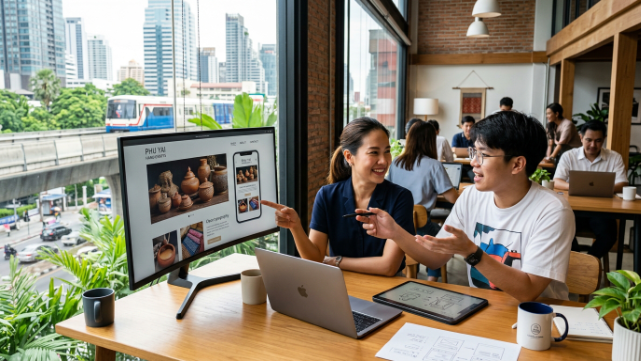
Understanding the Needs of Your Small Business
Before you even start looking for a designer, it’s essential to have a clear understanding of what your small business truly needs from a website. Are you looking for a simple online brochure to showcase your services? Do you need an e-commerce platform to sell products directly to customers? Or perhaps a booking system for appointments? Defining these core functionalities will help you narrow down your search and communicate your vision more effectively. Think about your target audience as well – who are they, what are their online habits, and what kind of user experience will resonate with them and best website designer Thailand?
The Thai Market: Unique Opportunities and Considerations
Thailand’s digital market is vibrant and rapidly growing, creating exciting opportunities for businesses. When searching for the best website designer Thailand, it is important to choose someone who understands the local market. The best website designer Thailand will have knowledge of cultural nuances, popular payment gateways, and local consumer behavior.
A professional who qualifies as the best website designer Thailand can tailor your website’s design, content, and user journey to connect better with your target audience. By working with the best website designer Thailand, businesses can ensure higher engagement, improved trust, and better conversion rates.
How to Search for the Best Website Designer Thailand
The search for the best website designer Thailand can begin with a few strategic approaches. Online platforms like Behance, Dribbble, and LinkedIn are excellent places to discover portfolios and see the work of various designers and agencies. Don’t underestimate the power of local recommendations either; ask fellow business owners in Thailand for their trusted contacts. Online search engines, using terms like “web design Thailand small business” or “freelance web designer Bangkok,” will also yield many results. Remember to look for designers who showcase experience with small businesses and a clear understanding of your industry.
Key Traits of a Great Thai Web Designer
Communication and Collaboration: The Foundation of Success
One of the most vital traits of the best website designer Thailand is their ability to communicate effectively and collaborate seamlessly with clients. This means being a good listener, asking insightful questions, and providing clear, regular updates throughout the design process. A great designer won’t just take your instructions; they’ll offer expert advice, explain their design choices, and be open to your feedback. This partnership is crucial for ensuring the final website aligns with your vision and business objectives, and it helps avoid misunderstandings and costly revisions down the line.
Technical Proficiency and Modern Design Principles
Beyond aesthetics, a top-tier web designer possesses strong technical skills and adheres to modern design principles. This includes proficiency in responsive design (ensuring your website looks great on all devices – desktops, tablets, and phones), user experience (UX) design (making your website intuitive and easy to navigate), and search engine optimization (SEO) basics (helping your website get found online). They should also be up-to-date with the latest design trends, technologies, and best practices to create a website that is not only visually appealing but also functional, fast-loading, and future-proof.
Portfolio and Past Client Satisfaction
The ultimate proof of a designer’s capability lies in their portfolio and the satisfaction of their past clients. When evaluating potential designers for the best website designer Thailand, scrutinize their portfolio for projects that demonstrate a similar style or complexity to what you envision for your business. Look for diversity in their work and see if they have experience with businesses similar to yours. Don’t hesitate to ask for client testimonials or references. Positive feedback from previous clients, especially regarding professionalism, meeting deadlines, and delivering results, is a strong indicator of a reliable and skilled designer.
Step-by-Step Guide to Finding Your Designer
1. Define Your Project Scope and Budget
Before you even begin searching, take time to clearly define what you want your website to achieve and how much you’re willing to invest. This includes listing essential features, desired design aesthetics, and any specific functionalities you require. Having a realistic budget in mind will help you filter designers and agencies more effectively. For small businesses in Thailand, understanding the typical costs associated with web design services can help you set appropriate expectations and avoid overspending or undershooting your investment.
2. Research and Shortlist Potential Designers
Once your project scope is defined, it’s time to start your research. Utilize online platforms, search engines, and local business networks to find designers who specialize in working with small businesses. Look for those with a strong portfolio and positive reviews. Create a shortlist of 3-5 designers or agencies that seem like a good fit. Pay attention to their location within Thailand, as this can sometimes influence communication and understanding of local market dynamics, though many designers work remotely effectively.
3. Review Portfolios and Request Quotes
Thoroughly review the portfolios of your shortlisted designers. Do their past projects align with your brand’s vision and target audience? Look for examples of clean design, user-friendly interfaces, and responsive layouts. Once you’ve identified a few strong contenders, reach out to them to request detailed quotes. Be sure to provide them with your project scope document so they can give you an accurate estimate. A good quote will break down the costs of design, development, and any additional services.
4. Schedule Consultations and Ask Questions
The next crucial step is to schedule consultations with your top choices. This is your opportunity to gauge their communication style, understand their process, and ask important questions. Inquire about their experience with similar projects, their approach to client collaboration, their estimated timelines, and their post-launch support. A great designer will be enthusiastic about your project and able to articulate their ideas clearly. This consultation is vital for determining if you can build a strong working relationship.
5. Check References and Make Your Decision
Before finalizing your choice, it’s highly recommended to check references from past clients. This provides valuable insight into their reliability, professionalism, and the quality of their work from an unbiased perspective. Ask former clients about their experience working with the designer, whether they met deadlines, and if they were satisfied with the final product. Once you’ve gathered all this information, you’ll be well-equipped to make an informed decision and select the best website designer Thailand has to offer for your small business
Tips for a Smooth Collaboration
Be Prepared and Organized
Having a clear brief and all your necessary assets (logos, brand guidelines, content) ready before you start working with a designer will significantly streamline the process. The more organized you are, the easier it will be for the designer to understand your vision and execute it efficiently. This includes having a well-defined target audience, a clear understanding of your unique selling propositions, and any specific features you absolutely need on your website.
Provide Constructive Feedback
During the design and development phases, be prepared to provide constructive feedback. This means being specific about what you like and what you don’t like, and offering suggestions for improvement. Instead of saying “I don’t like it,” try to explain why you don’t like it and what you’d prefer to see. This collaborative approach ensures that the designer can make the necessary adjustments to meet your expectations.
Trust Their Expertise
While it’s essential to communicate your needs, remember that you’ve hired a professional for their expertise. Trust their recommendations regarding design trends, user experience, and technical implementation. They have the experience to guide you towards the most effective solutions for your website. Finding the best website designer Thailand means finding someone you can trust to bring their creative and technical skills to your project.
Common Pitfalls to Avoid
Vague Project Briefs
One of the most common mistakes small businesses make is providing a vague or incomplete project brief. This leads to misunderstandings, missed deadlines, and a website that doesn’t quite hit the mark. Be as detailed as possible about your requirements, your brand identity, and your target audience. The clearer your brief, the better the outcome will be.
Focusing Solely on Price
While budget is an important consideration, choosing a designer based solely on the lowest price can be a costly mistake in the long run. A cheap website might lack professionalism, functionality, or responsiveness, ultimately harming your brand image and failing to attract customers. Invest in quality from the start to avoid expensive revisions or a complete redesign later.
Lack of Clear Communication Channels
Poor communication is a breeding ground for errors and frustration. Ensure you and your designer establish clear communication channels and agree on response times. Regular check-ins and a willingness to address concerns promptly are vital for a successful project. If you find a designer who excels in communication, you’re likely on the path to finding the best website designer Thailand for your needs.
Conclusion
Finding the best website designer Thailand for your small business is a strategic investment that can significantly impact your online success. By understanding your business needs, researching thoroughly, and collaborating effectively with a skilled professional, you can create a website that not only looks great but also drives engagement, attracts customers, and helps your business thrive in the digital age. Remember to prioritize communication, technical expertise, and a designer whose past work resonates with your vision.
FAQ
Q1: How much does a website designer in Thailand typically cost for a small business?
A1: The cost can vary widely depending on the designer’s experience, the complexity of the website, and the scope of work. For a small business website in Thailand, you might expect to pay anywhere from 20,000 THB to 100,000+ THB. Freelancers might be on the lower end, while agencies with more comprehensive services will be at the higher end. It’s always best to get detailed quotes based on your specific project requirements.
Q2: Do I need to find a website designer located in the same city as my business in Thailand?
A2: Not necessarily. While local designers can offer insights into regional market nuances, many talented web designers in Thailand are experienced in working with clients remotely. Effective communication tools and a clear project brief can bridge geographical gaps. What’s more important is finding a designer whose portfolio and communication style fit your needs, regardless of their exact location within Thailand.
Q3: What is responsive web design and why is it important?
A3: Responsive web design means that your website automatically adjusts its layout and content to fit the screen size of any device – whether it’s a desktop computer, a tablet, or a smartphone. This is crucial because a huge percentage of internet users browse on mobile devices. A responsive website ensures a good user experience for everyone, which can improve your search engine rankings and keep visitors engaged.
Q4: How long does it usually take to build a website for a small business?
A4: The timeline for website development can range from a few weeks to several months. Simple brochure websites might take 2-4 weeks, while more complex e-commerce sites or those with custom functionalities can take 1-3 months or longer. This depends heavily on the scope of the project, the speed of client feedback, and the designer’s workload. Always discuss realistic timelines with your chosen designer.
Q5: What should I do after my website is launched?
A5: After your website is launched, the work isn’t over! You’ll want to promote it, monitor its performance, and consider ongoing maintenance. This might include regular content updates, security checks, and performance optimization. Many designers offer post-launch support packages, which can be invaluable for ensuring your website remains effective and up-to-date.
.